Boost your child’s speech and language development through learning a second language
March 19, 2026
Discover how learning French or Spanish can support your child’s communication skills, confidence, and overall language development.
Why learning another language is so powerful for young children
Many parents are surprised to learn that introducing a second language at an early age doesn’t just teach new words – it actually strengthens a child’s speech and language development.
At Kidslingo, we’ve spent over 12 years teaching French and Spanish to children in nurseries, primary schools, and community settings. Time and time again, we see how language learning helps children become more confident communicators – in English and beyond.
A Brain Boost for speech and communication
Learning a second language gives the brain a powerful workout, especially in the early years when children are naturally primed for language learning.
Research shows that early exposure to languages:
- Stimulates areas of the brain linked to speech and communication
- Improves listening skills and understanding
- Helps children recognise sounds, tones, and patterns more easily
As a result, children don’t just learn a new language – they strengthen their English, home language, and overall communication skills at the same time.
Strengthening speech through talking, singing and play
Speech development isn’t only about understanding language – it’s also physical.
In Kidslingo sessions, children are constantly:
- Talking
- Singing
- Repeating sounds and words
- Using actions and facial expressions
This helps develop the muscles of the face, mouth, and tongue, which are essential for clear speech. Because it’s all done through fun, engaging activities, children build these skills naturally and confidently.
Developing a love and curiosity for language
One of the biggest benefits of learning a second language is the curiosity it sparks. Children begin to:
- Explore how language works (phonics, grammar, sentence structure)
- Notice patterns and similarities between languages
- Understand the meaning and nuance of words
This curiosity leads to stronger literacy skills and often results in a broader vocabulary in both English and the additional language.
What science says about early language learning
The early years, particularly between ages two and four, are a critical period for brain development.
Studies show that:
- Children exposed to multiple languages develop stronger cognitive skills
- Language-rich environments support long-term communication ability
- Switching between languages improves memory, focus, and flexibility
In short, learning a second language helps build a stronger foundation for lifelong learning and communication.
Expert-endorsed approach to speech and language development
At Kidslingo, our teaching approach is designed to maximise engagement and impact. We use:
- Visuals and props
- Movement and actions
- Songs and repetition
- Interactive games and storytelling
Speech and language therapists who have observed our sessions consistently highlight how effective this approach is in supporting early communication skills. Some have even described it as one of the best examples they’ve seen for supporting preschool children with speech and language development. Our impact has also been recognised in Ofsted reports.
Supporting children with English as an Additional Language (EAL)
Learning another language can be especially beneficial for children who are already developing English as an additional language.
“For our children with EAL (English as an Additional Language), Kidslingo is great. It helps create an inclusive environment where children see that speaking and learning different languages is normal and valued.
Everyone is learning new words together through songs, games, and actions, EAL children often feel more confident joining in and communicating.
The sessions strengthen listening skills, memory, and understanding of how language works, which supports their overall communication and English development as part of their EYFS learning journey.” Nursery manager feedback.
The lasting benefits of learning a second language
When children learn another language, they are not just gaining a new skill — they are developing:
- Stronger speech and pronunciation
- Better listening and comprehension
- Increased confidence in communication
- Greater cultural awareness
- Enhanced cognitive and learning abilities
Ready to support your child’s language development?
At Kidslingo, we make language learning fun, engaging, and effective for children of all ages.
Whether through nursery sessions, primary school clubs, or community classes, our expert teachers help children build confidence, communication skills, and a lifelong love of languages.
👉 Find your local Kidslingo class today and give your child a head start in language learning.
Discover how learning French or Spanish can support your child’s communication skills, confidence, and overall language development.
Why learning another language is so powerful for young children
Many parents are surprised to learn that introducing a second language at an early age doesn’t just teach new words – it actually strengthens a child’s speech and language development.
At Kidslingo, we’ve spent over 12 years teaching French and Spanish to children in nurseries, primary schools, and community settings. Time and time again, we see how language learning helps children become more confident communicators – in English and beyond.
A Brain Boost for speech and communication
Learning a second language gives the brain a powerful workout, especially in the early years when children are naturally primed for language learning.
Research shows that early exposure to languages:
- Stimulates areas of the brain linked to speech and communication
- Improves listening skills and understanding
- Helps children recognise sounds, tones, and patterns more easily
As a result, children don’t just learn a new language – they strengthen their English, home language, and overall communication skills at the same time.
Strengthening speech through talking, singing and play
Speech development isn’t only about understanding language – it’s also physical.
In Kidslingo sessions, children are constantly:
- Talking
- Singing
- Repeating sounds and words
- Using actions and facial expressions
This helps develop the muscles of the face, mouth, and tongue, which are essential for clear speech. Because it’s all done through fun, engaging activities, children build these skills naturally and confidently.
Developing a love and curiosity for language
One of the biggest benefits of learning a second language is the curiosity it sparks. Children begin to:
- Explore how language works (phonics, grammar, sentence structure)
- Notice patterns and similarities between languages
- Understand the meaning and nuance of words
This curiosity leads to stronger literacy skills and often results in a broader vocabulary in both English and the additional language.
What science says about early language learning
The early years, particularly between ages two and four, are a critical period for brain development.
Studies show that:
- Children exposed to multiple languages develop stronger cognitive skills
- Language-rich environments support long-term communication ability
- Switching between languages improves memory, focus, and flexibility
In short, learning a second language helps build a stronger foundation for lifelong learning and communication.
Expert-endorsed approach to speech and language development
At Kidslingo, our teaching approach is designed to maximise engagement and impact. We use:
- Visuals and props
- Movement and actions
- Songs and repetition
- Interactive games and storytelling
Speech and language therapists who have observed our sessions consistently highlight how effective this approach is in supporting early communication skills. Some have even described it as one of the best examples they’ve seen for supporting preschool children with speech and language development. Our impact has also been recognised in Ofsted reports.
Supporting children with English as an Additional Language (EAL)
Learning another language can be especially beneficial for children who are already developing English as an additional language.
“For our children with EAL (English as an Additional Language), Kidslingo is great. It helps create an inclusive environment where children see that speaking and learning different languages is normal and valued.
Everyone is learning new words together through songs, games, and actions, EAL children often feel more confident joining in and communicating.
The sessions strengthen listening skills, memory, and understanding of how language works, which supports their overall communication and English development as part of their EYFS learning journey.” Nursery manager feedback.
The lasting benefits of learning a second language
When children learn another language, they are not just gaining a new skill — they are developing:
- Stronger speech and pronunciation
- Better listening and comprehension
- Increased confidence in communication
- Greater cultural awareness
- Enhanced cognitive and learning abilities
Ready to support your child’s language development?
At Kidslingo, we make language learning fun, engaging, and effective for children of all ages.
Whether through nursery sessions, primary school clubs, or community classes, our expert teachers help children build confidence, communication skills, and a lifelong love of languages.
👉 Find your local Kidslingo class today and give your child a head start in language learning.
Other news articles
Boost your child’s speech and language development through learning a second language
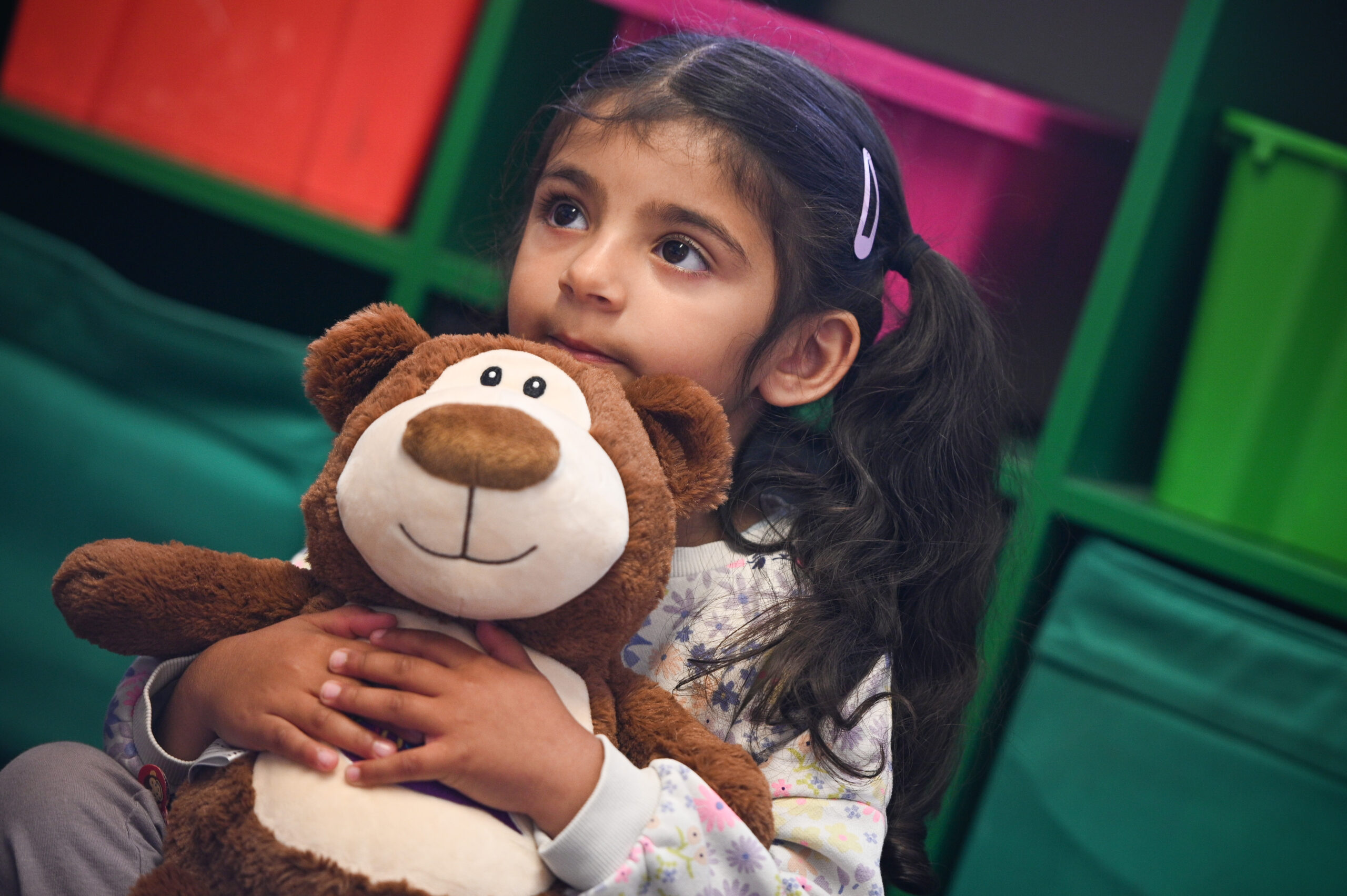
How Learning a Second Language Boosts Your Child’s Speech and Language Development. Discover how learning French or Spanish can support your child’s communication skills, confidence, and overall language development. Many parents are surprised to learn that introducing a second language at an early age doesn’t just teach new words - it actually strengthens a child’s speech and language development.

‘Diverse voices, common ground’ – Celebrating Languages Week Scotland 2026
This year, Languages Week Scotland runs from Monday 2 to Friday 6 February 2026. The week is a national celebration of language learning and multilingualism. It’s a brilliant chance for schools, nurseries, childminders and families to spotlight the many languages spoken in Scotland – and to give children a positive, playful experience of languages.

Sing, Rhyme, Repeat! How Nursery Rhymes Help Children Learn Languages
Celebrating World Nursery Rhyme Week with Kidslingo. Find out why and how nursery rhymes are the perfect tools for early language learning. PLUS - nurseries & childminders can book a FREE French or Spanish nursery rhyme session too with the chance to win amazing prizes.

Kidslingo’s Amy Archer wins Support Manager of the Year at the Disruptive Franchise Awards 2025
We’re over the moon to share that Amy Archer, Kidslingo’s Operations Support Manager, has been crowned Support Manager of the Year at the Disruptive Franchise Awards 2025. This award celebrates individuals who go above and beyond to empower franchisees, improve performance, and raise standards across their network. Anyone who’s worked with Amy knows that’s exactly what she does—day in, day out.
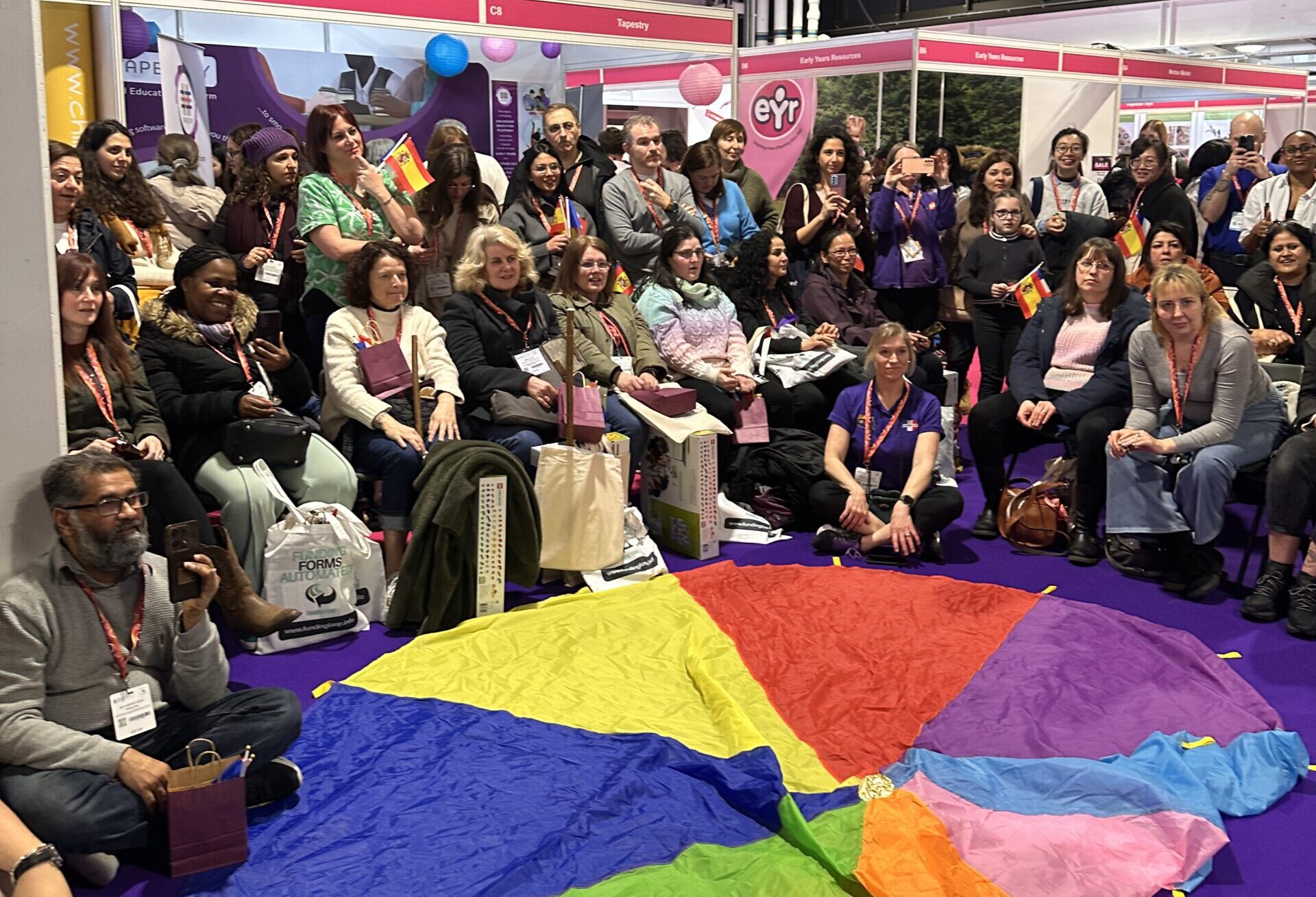
Kidslingo workshop at Childcare & Education Expo, London Olympia.
Kidslingo had the incredible opportunity to deliver a Language & Communication workshop to a group of over 60 Early Years specialists at the Childcare & Education Expo at London Olympia last weekend. This exciting event brought together passionate professionals dedicated to early childhood education, and Kidslingo was thrilled to share how fun, interactive language learning can support children’s communication skills from a young age.

Kidslingo CEO scoops Solopreneur award
Amidst a gathering of inspiring female entrepreneurs, Anna Neville, CEO of Kidslingo, proudly took home the Woman Who 2024 Solopreneur Award. This prestigious accolade recognises Anna's exceptional dedication and leadership over the past 11 years, during which she has grown Kidslingo into a thriving franchise business.